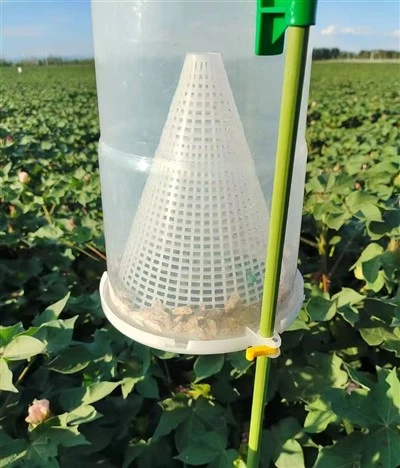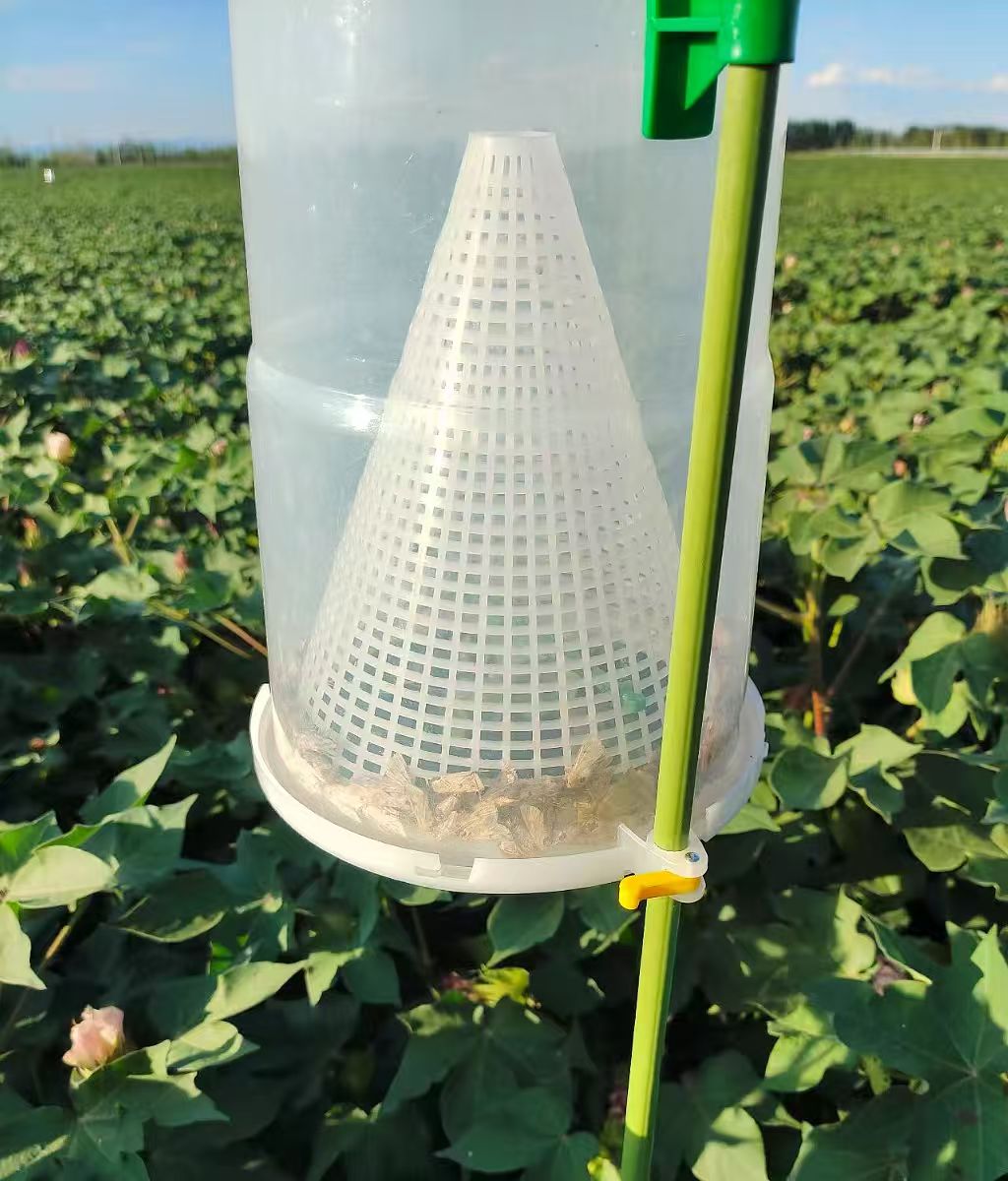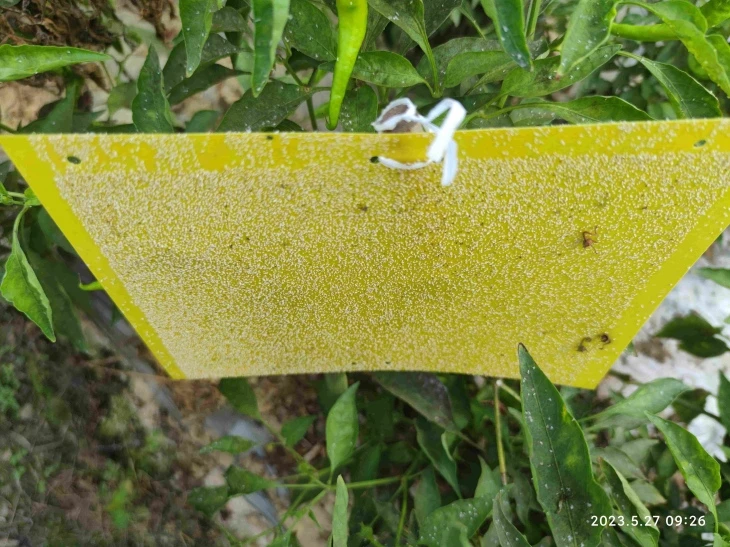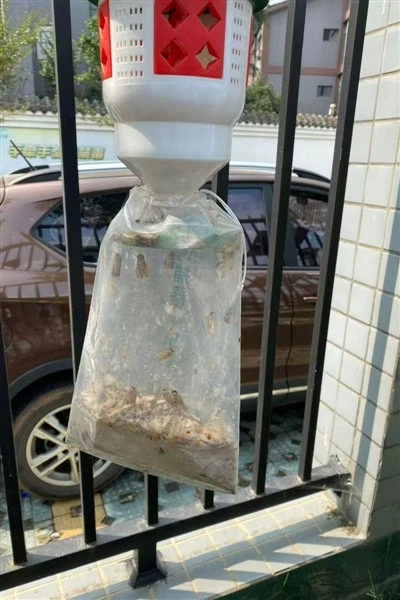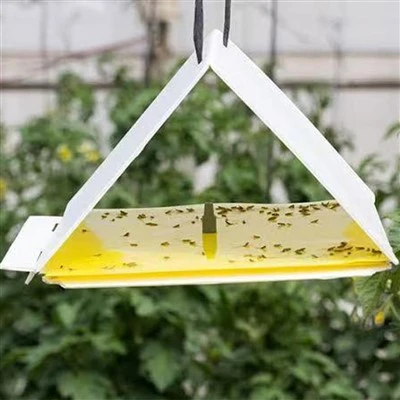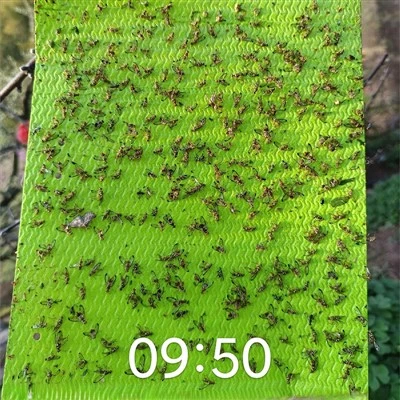

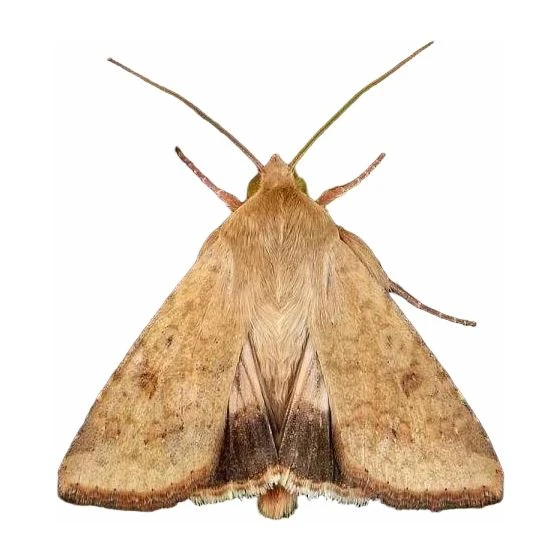
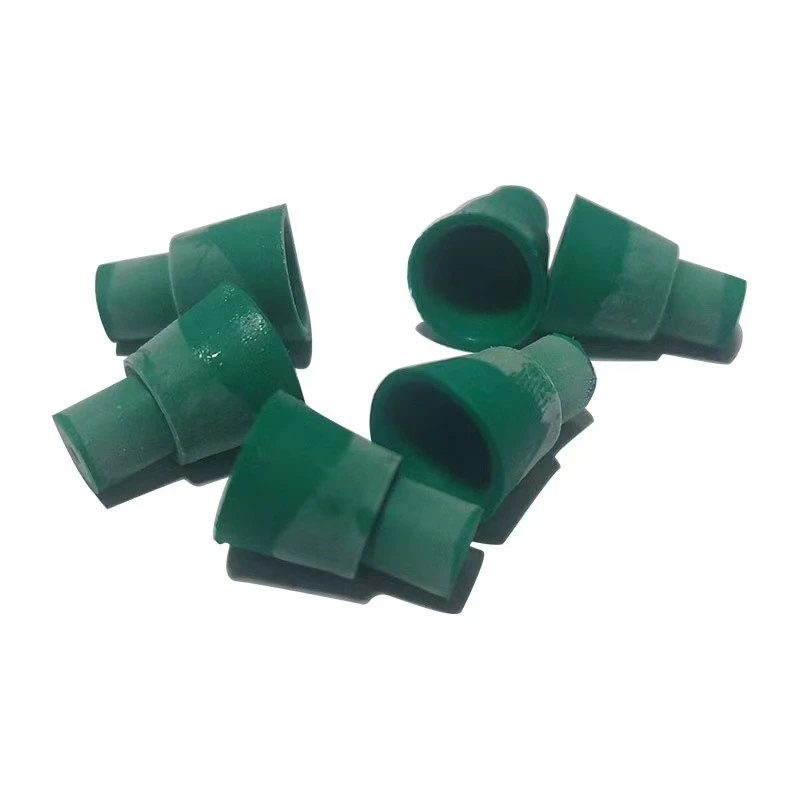
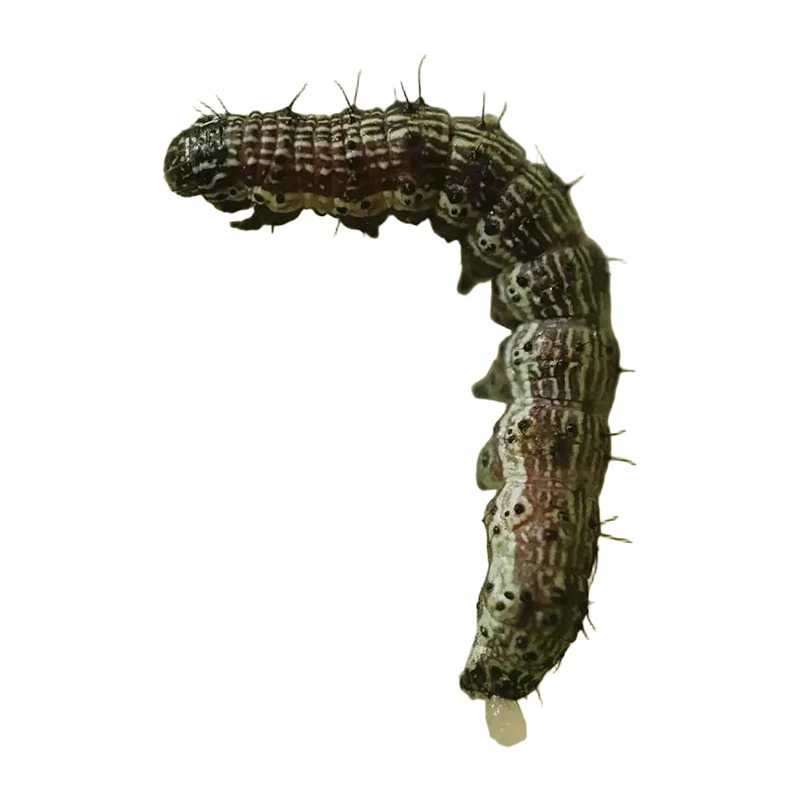
Corn Earworm Bollworm Pheromone Traps are monitoring and mass-trapping tools designed to attract adult male moths of Helicoverpa zea, Helicoverpa armigera, and related bollworm species.
Product Specifications
|
Performance Parameter |
Specification |
|
Field Validation |
Verified across 4,500 acres of sweet corn with 92% correlation to larval scouting results |
|
Early Detection Window |
Provides 7–10 days of advance warning before economic egg-laying thresholds |
|
Capture Capacity |
Holds up to 800 adult moths per monitoring cycle before emptying |
|
Pheromone Release Stability |
GC-MS verified linear pheromone release over 28 days |
|
Crop Protection Impact |
Field trials recorded an average 14% reduction in direct crop damage when spray timing was trap-guided |
Key Features
High-Purity Active Ingredients: Formulated with a minimum of 98.5% pure (Z)-11-Hexadecenal and (Z)-9-Hexadecenal to ensure consistent pest response without non-functional isomer interference.
Non-Target Safety: Species-specific attraction targets Helicoverpa strains, preventing the accidental capture of honeybees and beneficial pollinators during field monitoring.
Controlled Release Rate: Utilizes a specialized polymer matrix to maintain a stable daily volatilization rate of 1.2 mg to 1.5 mg for 60 consecutive days under field conditions.
Thermal and UV Stability: Chemically stabilized with antioxidant additives to prevent chemical degradation in open-field environments with peak temperatures up to 42°C.
Regional Specificity: Separate isomer ratios calibrated specifically for Helicoverpa zea (North America) and Helicoverpa armigera (Europe/Asia) to match localized pest populations.
Crop-Specific Application
Sweet Corn Fields: Mount traps on secure wooden or metal stakes at ear height; adjust the trap height vertically as the plant canopy grows to align with the silk line.
Cotton Plantations: Position traps 40 meters apart along the prevailing upwind borders of the field, beginning deployment at the 4-leaf stage through boll maturity.
Solanaceous Crops (Processing Tomatoes): Fix traps 1 meter above the ground matrix using a uniform grid layout at a density of 1 trap per 5 hectares.
Mixed Vegetable Perimeters: Deploy traps along the outer boundary lines of organic vegetable farms to form a physical monitoring line before local moth flight periods.
Manufacturing & QA
Trap housings are molded from 100% virgin polypropylene blended with 3% Hindered Amine Light Stabilizers (HALS) to eliminate plastic embrittlement.
Every aluminum pouch features a laser-etched manufacturing date and lot number linked directly to the raw material QC retain samples.
Pheromone loading is executed on dedicated, product-specific synthesis lines to eliminate external hydrocarbon or foreign pest pheromone mixing.
Completed lures are transferred to commercial freezers below -18°C within 2 hours of manufacture to lock in biological stability for up to 24 months.
Commercial Terms
MOQ: Wholesale ordering requires a minimum of 1,000 complete trap assemblies or 8,000 individual pheromone lures per contract.
Standard Packaging Units: Flat-packed with 50 trap units per master carton, palletized on standard ISPM-15 heat-treated pallets holding 800 traps per pallet load.
Lead Times: Standard manufacturing cycle is 15 working days for volume orders under 20,000 units; stock items are ready for warehouse loading within 5 business days.
Container Freight Density: A standard 20-foot GP ocean container accommodates up to 14,500 disassembled bucket traps with accompanying lures.
Compliance
Active Ingredient Registration: Formulated using US EPA-registered biochemical pesticide active ingredients compliant with FIFRA low-risk biochemical exemptions.
REACH and ECHA Compliance: Manufactured in full alignment with the European Chemicals Agency (ECHA) frameworks using non-hazardous synthetic lipids.
GHS Safety Data Sheets: Standard 16-section OSHA-compliant GHS Safety Data Sheets (SDS) are issued automatically with all shipping and customs documentation.
Organic Farming Input Alignment: Core pheromone compounds and inert delivery matrix materials comply with NOP (National Organic Program) standards for organic production.
Customs Clearance Documentation: Official Certificate of Analysis (CoA) and Certificate of Origin (CoO) are issued with every commercial invoice batch.
FAQ
Hot Tags: corn earworm bollworm pheromone traps, China corn earworm bollworm pheromone traps manufacturers