Introduction
Managing pest, insect, and rodent populations is a continuous operational challenge for agriculturalists, commercial facility managers, and homeowners alike. Left unchecked, pests damage infrastructure, contaminate food supplies, ruin crops, and spread vector-borne diseases. For decades, the tools used to combat these threats relied heavily on wood, glass, or heavy metals. However, advances in material science and manufacturing have fundamentally transformed the pest control landscape, positioning plastic traps as the industry standard for modern, efficient, and sanitary pest management.
Today, the market offers a diverse array of specialized trapping devices tailored to specific behaviors, target species, and environmental conditions. Transitioning away from archaic materials to engineered plastics has not only enhanced the mechanical reliability of these devices but has also opened the door to more humane, selective, and sustainable practices. Understanding the structural differences, mechanical designs, and strategic advantages of the various types of plastic traps is essential for selecting the right equipment to protect assets and maintain hygienic environments.
The Material Science: Why Plastic Reigns Supreme in Trap Manufacturing
Before exploring individual trap designs, it is crucial to understand why modern polymers have largely replaced wood and metal in the manufacturing of pest control equipment. The primary driver behind this shift is durability. Traditional wooden traps are highly susceptible to moisture, warp over time, split when subjected to mechanical stress, and decay rapidly when deployed outdoors. Metals, while sturdy, are prone to corrosion, rust, and chemical degradation when exposed to acidic soils, animal waste, or harsh cleaning agents. Engineered plastics, such as high-density polyethylene (HDPE), polypropylene (PP), and acrylonitrile butadiene styrene (ABS), suffer from none of these vulnerabilities. They possess excellent tensile strength and are frequently treated with UV-stabilizers to prevent cracking under intense sunlight.
In addition to pure durability, hygiene plays a vital role. Wood is a highly porous material that absorbs blood, urine, feces, and body oils from captured pests. This absorption creates an ideal breeding ground for bacteria, mold, and viruses, while also embedding permanent odors that can deter future pests from approaching the trap. Plastic traps, by contrast, feature non-porous surfaces that do not absorb organic matter. They can be thoroughly scrubbed, pressure-washed, and chemically sanitized with industrial disinfectants without compromising their structural integrity. This allows for safe, repeated deployments across multiple seasons. Furthermore, plastic injection molding enables manufacturers to produce highly intricate, precise components at a massive scale, resulting in perfectly uniform mechanisms, smooth trigger releases, and cost-effective pricing for large-scale operations.
Mechanical and Snap-Style Plastic Traps for Rodents
Rodent control demands structural strength and mechanical precision. Plastic variants of mechanical traps have revolutionized how facilities manage mice and rat infestations, prioritizing safety, efficiency, and reusability.
Redesigned Snap Traps
The traditional wooden snap trap has undergone a major evolution. Modern plastic snap traps feature heavy-duty ABS plastic bases paired with high-tensile steel springs. Unlike older designs that require delicate, dangerous manual setting, plastic traps are engineered with integrated levers or mechanisms that allow operators to set the trap with a simple click of a hand or foot, significantly reducing the risk of accidental finger injuries. Additionally, the trigger paddles in these devices are highly sensitive and molded with built-in bait cups, forcing the target animal to exert pressure exactly where needed for a swift, humane catch.
Enclosed and Tunnel Traps
Open snap traps pose a risk to non-target animals, including domestic pets, beneficial wildlife, and birds, and can be safety hazards around children. To address this, manufacturers developed enclosed plastic tunnel traps. These devices conceal the internal snapping mechanism inside a durable plastic box or tube. Pests are naturally drawn to dark, confined tunnels, meaning they willingly enter the enclosure. Once inside, they trigger the mechanism out of reach from external interference. These enclosures also conceal the dead pest from public view, making them the preferred choice for commercial kitchens, retail spaces, and public buildings.
Multi-Catch Automatic Traps
For high-pressure environments, such as grain storage facilities and warehouses, single-catch traps are often insufficient. Multi-catch plastic traps utilize clever internal mechanics-such as gravity-fed trapdoors, rotating paddles, or one-way ramps-to capture dozens of rodents in a single deployment without needing a manual reset. Constructed from rugged polypropylene, these traps can handle high volumes of pests. Some premium models feature clear plastic viewing windows on the lid, allowing technicians to inspect the interior catch volume at a glance without opening the device and risking an escape.
Insect and Invertebrate Monitoring Plastic Traps
Invertebrate management relies heavily on understanding insect behavior, vision, and chemical communication. Plastic housings protect delicate components while guiding insects into inescapable environments.
Adhesive Sheet and Board Holders
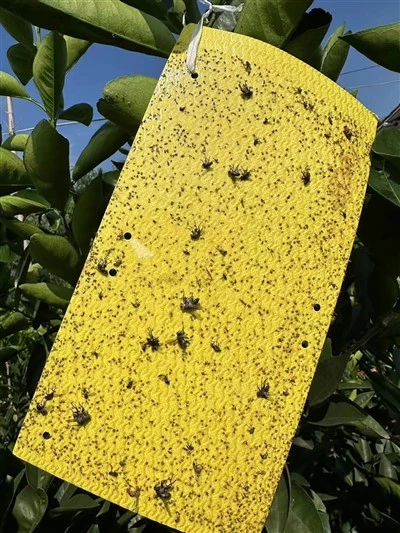
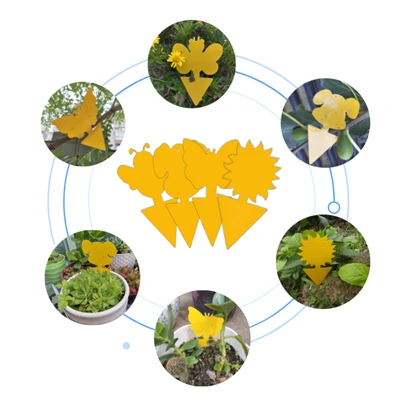
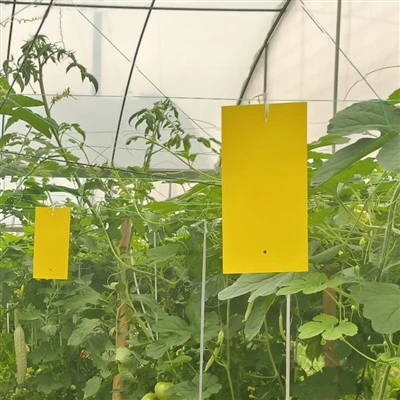
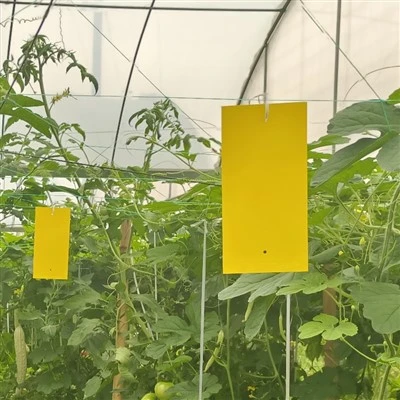
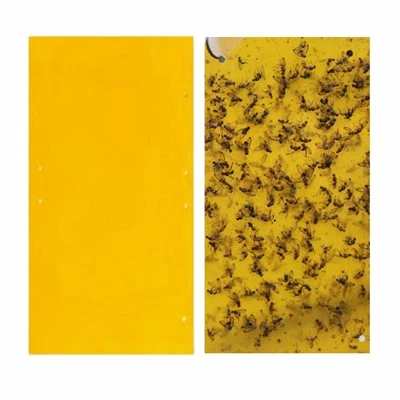
While sticky paper inserts are excellent for capturing small flying and crawling insects, they easily lose their efficacy when exposed to dust, overhead irrigation, or heavy winds. Rigid plastic casings and protective holders solve this issue. These plastic shells shelter the inner sticky board from environmental debris while leaving specific entry slits open for targeted pests. These systems are heavily utilized in commercial greenhouses and orchards, keeping monitoring cards functional for months rather than days.
Funnel and Bottle Traps
Flying insects like wasps, hornets, fruit flies, and certain beetles are strongly attracted to liquid baits or fermentation scents. Plastic funnel traps exploit this behavior using geometric design. The trap typically consists of a bright yellow or green plastic top section attached to a clear or opaque bottom reservoir. Insects fly through a wide external opening, pass down through a narrowing funnel, and enter the main chamber. Because insects naturally attempt to escape by crawling up the outer walls rather than finding the small hole at the bottom of the central funnel, they remain securely contained inside the plastic reservoir until disposal.
Pheromone and Lure Stations
In Integrated Pest Management (IPM), monitoring specific insect populations requires the precise deployment of synthetic pheromones. These volatile compounds can break down rapidly if exposed to heavy rain or direct sunlight. Plastic pheromone stations act as micro-shelters. Typically shaped like small tents, diamonds, or cylinders, these durable plastic housings shield the chemical lure inside, ensuring an even, controlled diffusion of the pheromone into the surrounding air currents while maximizing the lifespan of the attractant.
Aquatic and Specialized Agricultural Plastic Traps
Beyond standard terrestrial environments, specialized plastic traps are deployed in aquatic settings and directly onto agricultural flora to manage invasive species and monitor ecosystems.
Aquatic Monitoring and Crawling Traps
In aquaculture, fisheries, and wetland management, tracking populations of invasive crayfish, crabs, or destructive aquatic beetles requires specialized equipment. Plastic mesh traps and rigid molded cages are ideal for sub-surface environments. Because plastics do not oxidize or leech toxic heavy metals into the water table, they protect delicate aquatic ecosystems. These traps utilize weighted bottoms to sit securely on the river or pond bed, along with one-way plastic cone entries that allow aquatic pests to swim or crawl inside in search of bait while preventing escape.
Tree Banding and Barrier Systems
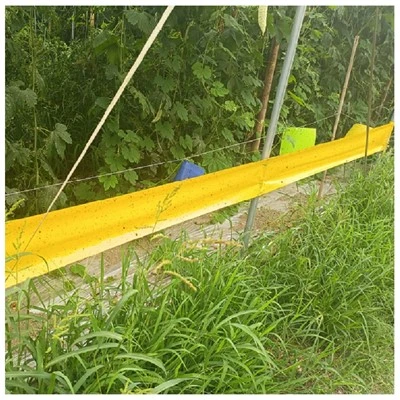
In forestry and commercial orcharding, many devastating pests-such as spotted lanternflies, spongy moth caterpillars, and various weevil species-hatch in the soil and crawl up the trunks of trees to feed on the canopy. To disrupt this migration, growers wrap trees with custom-extruded plastic barriers. These plastic bands are wrapped tightly around the bark and treated with a weather-resistant adhesive layer on the inner or outer channel. The plastic substrate acts as a smooth, impermeable barrier that forces the climbing insects into sticky channels, stopping infestations before they reach vulnerable foliage.
Strategic Maintenance, Sustainability, and the Future of Trapping
To maximize the return on investment for any pest management program, organizations must look beyond initial deployment and evaluate long-term maintenance protocols and emerging technological trends.
Best Practices for Deployment and Sanitation
Even though plastic traps are highly resilient, their operational life depends on proper care. After a successful capture cycle, traps should be emptied promptly to prevent the buildup of secondary pests, like dermestid beetles or flies, which feed on organic remains. Cleaning should involve rinsing the plastic components with warm water and a mild, unscented disinfectant. Harsh, highly scented chemical cleaners should be avoided, as strong chemical odors can leave a residual scent on the plastic that alerts future pests to danger, reducing trap efficacy.
Environmental Considerations and Sustainability
As global industries shift toward circular economies and reduced environmental footprints, plastic trap manufacturing is adapting. A common critique of plastic pest control devices has been their reliance on single-use, non-biodegradable materials. In response, modern manufacturers are increasingly utilizing post-consumer recycled (PCR) plastics to construct trap bodies, ensuring old materials are repurposed into durable, long-lasting industrial goods. Furthermore, ongoing research into durable bioplastics derived from renewable plant starches promises to deliver traps that maintain industrial-grade performance during use but break down safely if lost or discarded in agricultural soils.
Smart Integration and the Internet of Things (IoT)
The future of pest control lies in automation and data-driven management. Traditional trapping requires technicians to manually walk miles of warehouse corridors or acres of orchards to check every individual station-a process that is time-consuming and labor-intensive. The rigidity and weather-tight sealing of modern plastic housings make them the perfect chassis for integrating digital technology. Current high-tech systems feature built-in IoT sensors, micro-cameras, and wireless transmitters embedded directly within the plastic lid. When a pest triggers a mechanical snap or enters a funnel, an internal sensor logs the event and sends an immediate digital alert to an off-site dashboard. This allows pest control operators to respond immediately to active infestations, saving hours of manual inspection time and providing unprecedented precision in population tracking.
Conclusion
The evolution of pest control equipment from rudimentary, single-use wooden blocks to precision-engineered plastic traps marks a major milestone in industrial hygiene and agricultural sustainability. By utilizing advanced polymers, manufacturers have created tools that offer unmatched durability, resistance to harsh outdoor weather, and ease of sanitation. From heavy-duty enclosed rodent stations to scientifically calibrated insect funnel traps and eco-friendly tree barriers, these devices provide reliable, non-toxic solutions to some of the world's most persistent pest challenges.
As the industry moves forward, the fusion of recycled materials, sustainable bioplastics, and IoT-enabled smart sensors will continue to enhance the capabilities of these tools. Selecting high-quality, task-specific trapping systems allows facility managers, agriculturalists, and homeowners to protect their investments safely and efficiently. Investing in modern plastic trapping infrastructure is a vital component of running a clean, productive, and future-ready pest management operation.